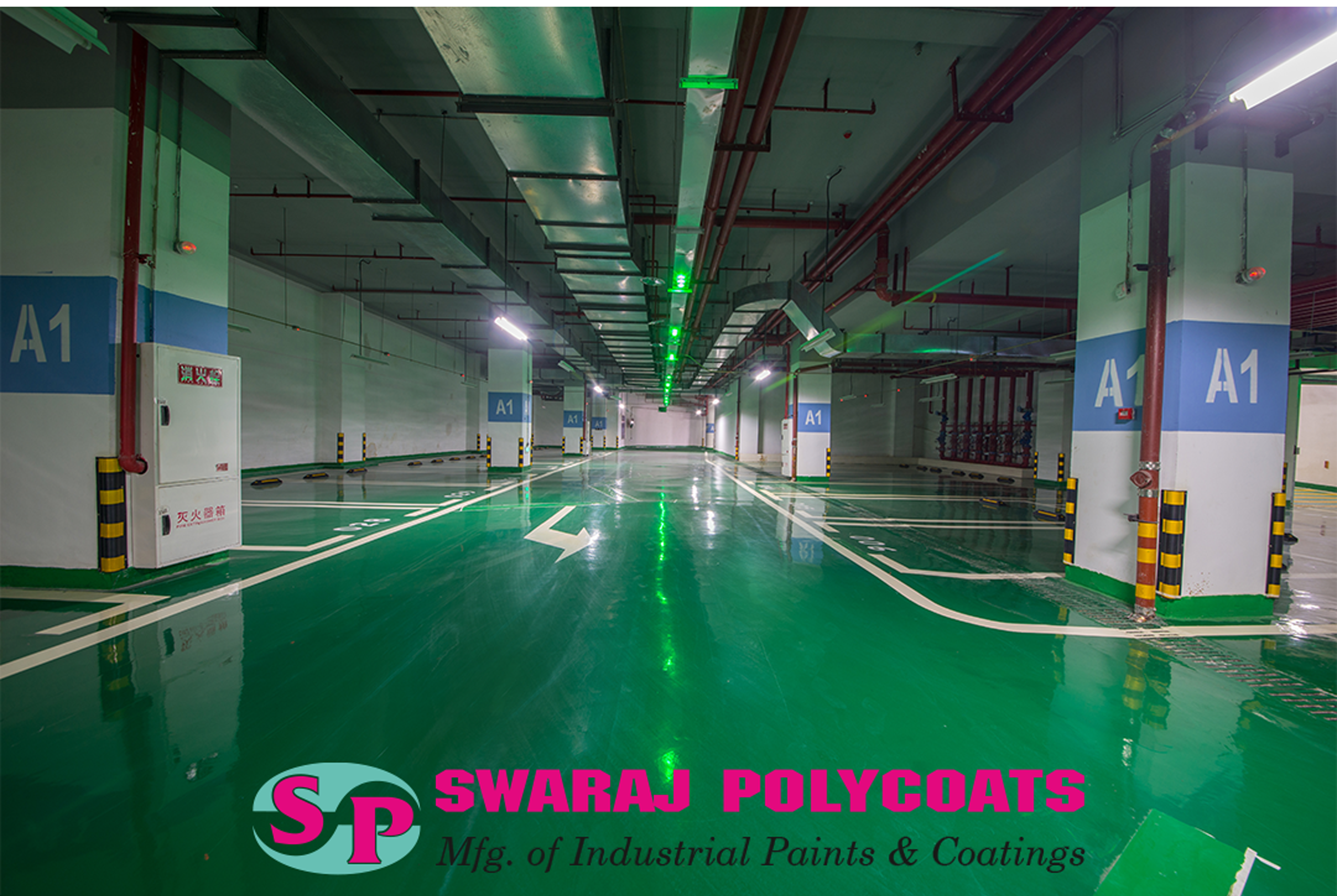
When industrial flooring is discussed, one question always comes first: “What will it cost?”
Epoxy flooring has become a preferred choice for factories, warehouses, pharmaceutical units, food plants, and commercial facilities across India. But the price of epoxy flooring is not fixed. It depends on several practical factors that many businesses may not consider when preparing their flooring budget.
In this detailed 2026 cost guide, we’ll break down where your money goes, what affects epoxy flooring pricing, and how Indian industries can plan their flooring budget smartly.
Why Epoxy Flooring Is Worth Considering
Epoxy flooring isn’t just about looks. It is about strength, safety, hygiene, durability, and long-term savings. Industries choose epoxy flooring because it:
- Handles heavy machinery and traffic
- Resists chemicals, oils, and stains
- Creates a seamless, dust-free surface
- Requires very low maintenance
- Improves workplace safety and cleanliness
However, to understand the cost accurately, you must first understand what type of epoxy flooring your project actually needs.
Average Epoxy Flooring Cost in India (2026)
As of 2026, epoxy flooring costs in India generally range between:
The wide price range exists because epoxy flooring is not a one-size-fits-all solution. The final cost depends on the epoxy system, thickness, surface condition, labour, application method, and project requirements.
Approximate Cost by Epoxy Type
| Epoxy Flooring Type | Cost Range (₹/sq.ft) |
|---|---|
| Basic Epoxy Coating | ₹40 – ₹80 |
| Self-Leveling Epoxy | ₹70 – ₹150 |
| Decorative Flake / Quartz Epoxy | ₹100 – ₹200 |
| Anti-Static (ESD) Epoxy | ₹150 – ₹300 |
| Heavy-Duty Industrial Epoxy | ₹180 – ₹400+ |
What Really Makes Up the Cost of Epoxy Flooring?
Many people assume epoxy flooring cost is simply the price of the coating material. In reality, material is only one part of the total project cost. The following factors can significantly affect your final quotation.
1. Epoxy Material Cost
The quality of epoxy resin plays a major role in pricing. Important factors affecting material cost include:
- Type of epoxy such as standard, self-leveling, mortar, or anti-static
- Solid content
- Chemical and abrasion resistance
- Brand quality and certifications
Material cost alone can range from approximately ₹40 to ₹150 per sq.ft, depending on the epoxy system used.
Cheaper epoxy may look fine initially but can fail earlier due to peeling, cracking, or discoloration, increasing long-term maintenance and replacement costs.
2. Surface Preparation Cost (Very Important)
Surface preparation is one of the most important stages of epoxy flooring installation. If the concrete surface is not prepared properly, even a high-quality epoxy system may fail.
Common surface preparation methods include:
- Mechanical grinding
- Shot blasting
- Crack filling and leveling
- Moisture treatment
- Primer application
The actual cost depends heavily on the existing floor condition.
3. Labour & Application Cost
Epoxy flooring is a skilled application job, not simple paint work. Labour cost depends on:
- Floor area size
- Complexity of the epoxy system
- Number of application layers
- Working conditions
- Night shifts and shutdown windows
Labour Charges in India (2026): ₹30 – ₹120 per sq.ft.
Experienced applicators can help achieve appropriate coating thickness, uniform finish, correct curing, and better long-term floor performance.
4. Thickness of Epoxy Coating
The required epoxy thickness depends on the expected traffic, machinery loads, impact, and operating environment.
| Thickness | Suitable For |
|---|---|
| 1–2 mm | Light traffic and storage areas |
| 2–3 mm | Medium industrial usage |
| 3–5 mm | Heavy machinery and forklifts |
| 5 mm+ | Extreme industrial conditions |
In general, more thickness means more material consumption and therefore higher cost, but it can also provide greater protection and durability when properly specified.
5. Project Size & Area
Project size can also influence the overall per-square-foot cost.
- Small Area (200 sq.ft): ₹20,000 – ₹55,000
- Medium Area (500 sq.ft): ₹60,000 – ₹1,40,000
- Large Area (1000 sq.ft): ₹90,000 – ₹2,70,000+
Bulk projects may receive better pricing because of material efficiency, reduced mobilisation costs, and faster execution.
6. City-wise Epoxy Flooring Cost Variation
Epoxy flooring rates can also vary between cities because of labour availability, transportation, project conditions, material logistics, and local market conditions.
| City | Approximate Rate (₹/sq.ft) |
|---|---|
| Mumbai | ₹70 – ₹200 |
| Delhi NCR | ₹60 – ₹180 |
| Bangalore | ₹65 – ₹190 |
| Chennai | ₹55 – ₹180 |
| Tier-2 Cities | Slightly lower in many cases |
These figures are indicative ranges. Actual project quotations can vary depending on the flooring system, substrate condition, thickness, area, and site requirements.
7. Additional Costs You Should Know About
Certain projects require additional features that can increase the overall flooring budget.
- Design & Aesthetic Add-ons: Decorative flakes, metallic finishes, colour zoning, safety markings, and company logos.
- Safety & Compliance Requirements: Anti-static epoxy, chemical-resistant systems, hygienic coatings, and other application-specific requirements.
Epoxy Flooring vs Other Flooring Options (Cost Perspective)
| Flooring Type | Initial Cost | Long-Term Cost |
|---|---|---|
| Epoxy Flooring | Medium | Very Low |
| Tiles | Medium | Medium |
| Vinyl Flooring | Low | Medium |
| Polished Concrete | Low | Medium |
Long-Term Value of Epoxy Flooring
Initial installation cost is only one part of the flooring investment. A properly designed and installed epoxy flooring system can provide long-term operational benefits.
- 8–15 years of potential service life, depending on system and usage
- Minimal maintenance
- Faster cleaning
- Improved workplace safety
- Better hygiene compliance
When maintenance, downtime, and replacement costs are considered, epoxy flooring can deliver an excellent return on investment (ROI).
How to Reduce Epoxy Flooring Cost Without Compromising Quality
- Choose the right epoxy type rather than automatically selecting the most expensive one
- Plan flooring during shutdowns to reduce labour surcharges
- Cover larger areas together to improve project efficiency
- Never skip proper surface preparation
- Work with experienced applicators
Saving money upfront in the wrong areas can increase the total lifecycle cost of the floor. Proper specification and installation are therefore essential for achieving the best value.
Factors to Consider Before Finalising Your Budget
Before selecting an epoxy flooring system, consider the following project requirements:
- Expected vehicle and pedestrian traffic
- Forklift and machinery movement
- Chemical exposure
- Oil and grease exposure
- Moisture conditions
- Required floor thickness
- Anti-slip requirements
- Hygiene requirements
- Anti-static or ESD requirements
- Desired appearance and finish
The correct epoxy system should be selected based on the actual operating conditions rather than simply choosing a product based on its price.
A Simple 2026 Epoxy Flooring Budget Guide
For preliminary budgeting, businesses can use the following broad categories:
| Project Requirement | Indicative Budget |
|---|---|
| Basic coating | ₹40 – ₹80/sq.ft |
| Medium-duty industrial floor | ₹70 – ₹150/sq.ft |
| Decorative / premium floor | ₹100 – ₹200/sq.ft |
| Anti-static / ESD flooring | ₹150 – ₹300/sq.ft |
| Heavy-duty industrial flooring | ₹180 – ₹400+/sq.ft |
These figures should be treated as preliminary budgeting ranges rather than fixed quotations. A site inspection and system specification are recommended before finalising project costs.
Conclusion
Epoxy flooring is a long-term investment for Indian industries that need a durable, hygienic, chemical-resistant, and easy-to-maintain floor.
In 2026, epoxy flooring costs in India can range from approximately ₹40 to ₹400+ per sq.ft, depending on the type of epoxy system, surface preparation, thickness, labour, project size, location, and additional performance requirements.
The cheapest option is not always the most economical option over the life of the floor. Selecting the correct system, preparing the surface properly, and using experienced applicators can significantly improve durability and reduce future maintenance costs.
For industrial, commercial, pharmaceutical, food-processing, warehouse, and other demanding environments, a properly specified epoxy flooring system can provide excellent long-term value.