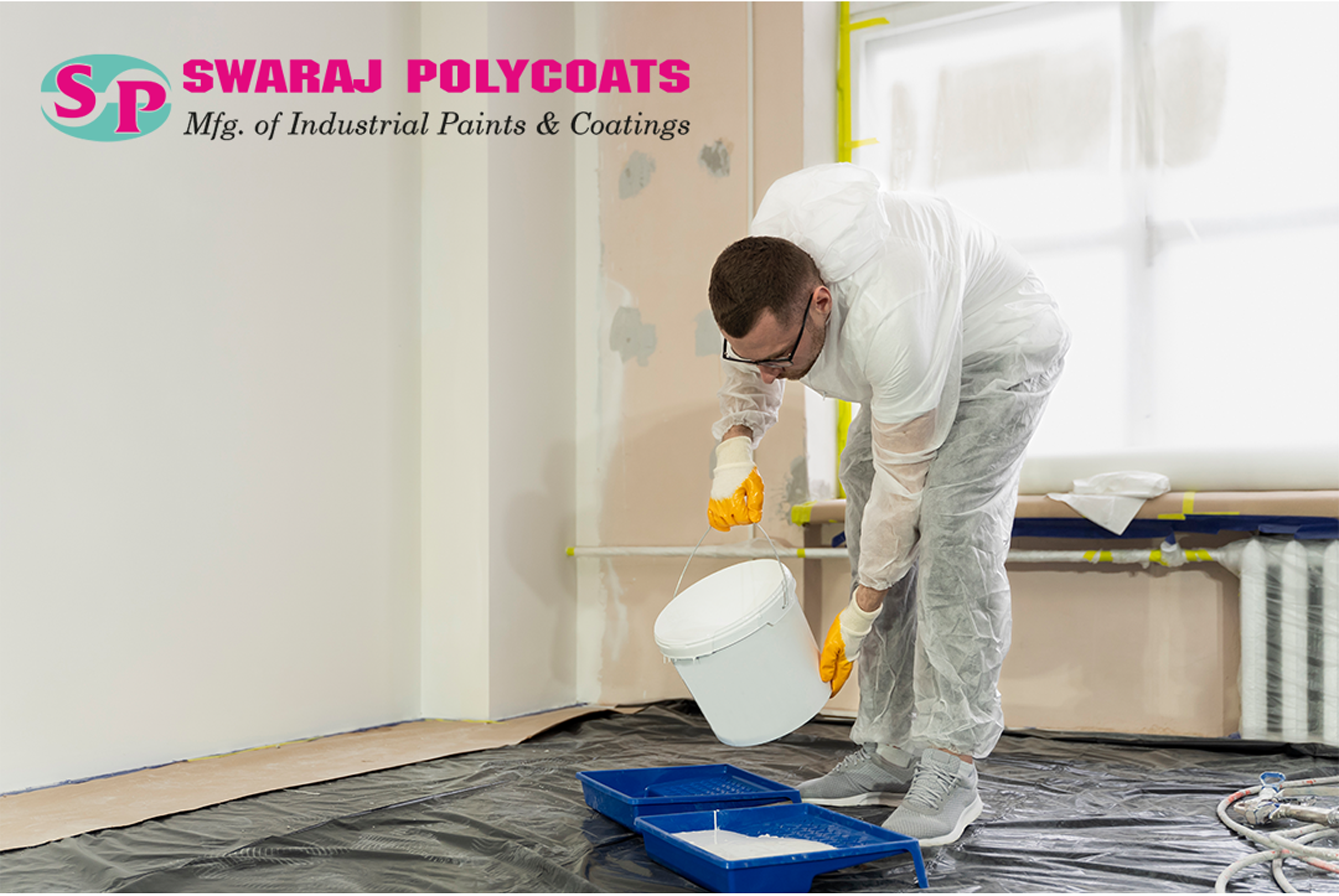
Choosing PU Paint (Polyurethane Paint) can greatly enhance the look and durability of furniture and surfaces—but only if it’s chosen correctly.
Many people make avoidable mistakes that lead to poor finish, higher maintenance, or unnecessary costs. Understanding the type of PU paint, surface compatibility, application requirements, finish, maintenance, and environmental conditions can help you achieve better and longer-lasting results.
1. Not Understanding the Type of PU Paint
Mistake: Selecting any PU paint without knowing whether it’s meant for interior or exterior use.
Solution: Choose the type based on application—UV-resistant PU for exteriors and high-gloss PU for interiors.
2. Ignoring Surface Compatibility
Mistake: Applying the same PU paint on every surface.
Solution: Ensure the paint is compatible with the surface material for proper adhesion and durability.
3. Choosing Finish Only Based on Looks
Mistake: Selecting high-gloss PU paint just for appearance.
Solution: Choose matte, satin, or gloss based on usage, lighting, and maintenance needs.
4. Overlooking Application Expertise
Mistake: Hiring untrained painters to reduce costs.
Solution: Use skilled applicators with experience in PU coatings.
5. Not Considering Usage & Traffic
Mistake: Using the same PU paint for high-traffic and low-traffic areas.
Solution: Opt for high-durability PU paints in kitchens, offices, and commercial spaces.
6. Ignoring Maintenance Requirements
Mistake: Assuming PU paint is completely maintenance-free.
Solution: Understand cleaning methods and maintenance intervals beforehand.
7. Choosing Cheap Products Over Quality
Mistake: Selecting PU paint solely based on price.
Solution: Invest in trusted brands and certified products for long-term value.
8. Skipping Primer and Surface Preparation
Mistake: Applying PU paint directly on untreated surfaces.
Solution: Proper sanding, priming, and cleaning are essential.
9. Not Checking Drying & Curing Time
Mistake: Using furniture before complete curing.
Solution: Allow sufficient drying and curing time as per product guidelines.
10. Ignoring Environmental & Health Factors
Mistake: Not checking safety and ventilation requirements.
Solution: Choose low-VOC or water-based PU paints for indoor spaces.
Quick Checklist Before Choosing PU Paint
- Identify whether the application is indoor or outdoor.
- Check compatibility with the substrate.
- Select the required gloss level and finish.
- Consider traffic, usage, moisture, UV exposure, and environmental conditions.
- Use appropriate primer and surface preparation.
- Select experienced applicators for professional PU coating applications.
- Check drying and complete curing requirements before using the coated surface.
- Consider low-VOC or water-based options where indoor environmental requirements are important.
Final Thoughts
Avoiding common mistakes can help you achieve a smooth, durable, and premium finish with PU paints.
Proper selection, professional application, appropriate surface preparation, and quality products can contribute to long-lasting results and better value for money.
Frequently Asked Questions (FAQs) on PU Paints
What is PU paint used for?
PU paint is mainly used for wooden furniture, modular kitchens, doors, cabinets, metal surfaces, and commercial interiors due to its durability and premium finish.
Is PU paint better than regular paint?
PU paint can offer better durability, scratch resistance, moisture protection, and a smoother finish compared to many conventional paints, making it suitable for high-use areas.
Which PU paint finish is best: matte or gloss?
Gloss finish is often preferred for luxury interiors and easier cleaning, while matte finish suits modern designs and can help hide minor surface imperfections. The best choice depends on usage, lighting, and maintenance needs.
Is PU paint safe for indoor use?
PU paint should be applied according to the manufacturer's safety instructions with suitable ventilation. For indoor applications, water-based or low-VOC PU paints can be considered where appropriate.
How long does PU paint last?
With proper application and maintenance, PU paint can provide long service life. Actual durability depends on the product, surface, usage, and environmental conditions.
Can PU paint be applied without a primer?
Proper primer and surface preparation are generally essential for good adhesion and durability. Skipping these steps can result in peeling, uneven finish, and reduced performance.
Is PU paint expensive?
PU paint can cost more than conventional paint, but its durability, finish quality, and maintenance benefits can provide better long-term value for suitable applications.
How much time does PU paint take to dry?
Surface drying and complete curing times vary depending on the product, coating system, temperature, humidity, ventilation, and manufacturer's instructions. Always follow the technical data sheet for the specific product.
Can PU paint be used for kitchens?
Yes. PU paint can be suitable for modular kitchens and similar applications because appropriately formulated PU coatings can provide good moisture, stain, and wear resistance.
What is the biggest mistake people make while choosing PU paint?
One of the most common mistakes is choosing PU paint only based on appearance or price without considering the surface type, application environment, expected usage, and application requirements.