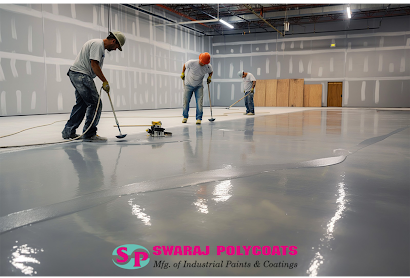
Epoxy flooring has become one of the most preferred solutions for industrial, commercial, and even residential spaces due to its durability, seamless finish, and long-lasting performance. However, one critical factor that determines the success of epoxy flooring is professional installation.
Many businesses try to cut costs by choosing inexperienced contractors or DIY methods, but this often leads to costly repairs and reduced lifespan. Professional installation can have a significant impact on flooring performance, safety, appearance, and long-term value.
What is Epoxy Flooring?
Epoxy flooring is a surface system created by applying multiple layers of epoxy resin on a properly prepared concrete floor. It forms a strong, seamless, and chemically resistant surface suitable for applications such as manufacturing facilities, warehouses, pharmaceuticals, hospitals, commercial spaces, and other demanding environments.
The Reality of Poor Epoxy Installation
Before understanding the importance of professional installation, it is important to understand what can happen when epoxy flooring is installed incorrectly.
Common Issues:
Peeling or delamination, air bubbles, uneven surfaces, cracks, weak bonding, reduced chemical resistance, and shortened service life can all result from improper installation.
These problems are commonly associated with poor surface preparation, incorrect mixing ratios, unsuitable environmental conditions, or inadequate curing.
1. Proper Surface Preparation is Key
One of the most critical steps in epoxy flooring installation is surface preparation. Professional installers use appropriate preparation techniques to create a clean and suitable substrate.
Professional Preparation Methods
- Shot blasting
- Diamond grinding
- Surface leveling
Proper preparation helps create:
- Strong adhesion
- Smooth finish
- Long-lasting performance
Important: Without proper surface preparation, even a high-quality epoxy coating can experience premature failure.
2. Correct Mixing & Application Techniques
Epoxy flooring involves carefully mixing resin and hardener according to the product's specified ratio. Incorrect mixing can negatively affect the coating's performance and appearance.
Professionals Ensure
- Accurate mixing ratios
- Proper layering techniques
- Uniform coating thickness
3. Timely Application & Curing
Epoxy flooring is sensitive to application timing and environmental conditions. Professional installers understand the working time of the coating system and the conditions required for proper curing.
Important Factors Include
- Pot life of the epoxy system
- Suitable temperature conditions
- Appropriate curing time
Improper timing or curing conditions can contribute to sticky surfaces, weak bonding, and other surface defects.
4. Industrial-Grade Equipment & Tools
Professional epoxy flooring contractors use specialized equipment to prepare and level surfaces accurately.
- Industrial grinders
- Industrial vacuum systems
- Laser leveling tools
The right equipment helps improve precision, control dust, achieve proper leveling, and produce a more consistent finish.
5. Safety Standards & Compliance
Epoxy flooring projects involve chemical products and industrial application processes. Proper safety practices are therefore important during preparation and application.
Professional Teams Follow
- Appropriate safety protocols
- Proper ventilation
- Suitable protective equipment
These considerations are particularly important in environments such as pharmaceutical facilities, food-processing units, and chemical plants.
6. Cost Efficiency in the Long Run
Choosing the cheapest installation option may appear attractive initially, but poor installation can create additional expenses over time.
Poor installation can result in:
Frequent repairs, recoating expenses, premature coating failure, and production downtime.
Professional installation focuses on achieving reliable performance and reducing avoidable maintenance and repair requirements.
- Longer potential service life
- Reduced maintenance requirements
- Better long-term return on investment
7. Customization & Design Expertise
Professional installers can recommend flooring systems according to the specific requirements of the facility.
- Anti-slip coatings
- Anti-static flooring
- Decorative epoxy finishes
- Color customization
These options can help businesses create safer, more functional, and visually appealing workspaces.
8. Environmental & Site Condition Handling
Every flooring project has different site conditions. Professional installers assess the environment before recommending a coating system.
Factors Considered
- Moisture levels
- Temperature
- Expected load requirements
- Chemical exposure
Based on these conditions, the appropriate coating system, thickness, primer, or additives can be selected.
9. Use of High-Quality Materials
The quality of the coating materials used also has a major influence on final flooring performance.
Quality Materials Can Provide
- Better durability
- Higher chemical resistance
- Improved surface performance
- Better appearance retention
Using unsuitable or low-quality materials can result in premature deterioration and additional maintenance requirements.
10. Warranty & After-Sales Support
Another important advantage of working with professional flooring companies is access to ongoing support.
- Warranty or workmanship support where applicable
- Maintenance guidance
- Inspection and technical support
Proper after-sales support can provide additional confidence in the long-term performance of the flooring system.
Industries That Need Professional Epoxy Installation
- Manufacturing units
- Warehouses
- Hospitals
- Pharmaceutical industries
- Food processing units
- Parking areas
DIY vs Professional Installation
| Factor | DIY Installation | Professional Installation |
|---|---|---|
| Quality | Inconsistent | Professional and controlled |
| Durability | Can be short-term | Designed for long-term performance |
| Cost | Lower initial cost | Better long-term value |
| Finish | May be uneven | Smooth and seamless |
| Maintenance | Potentially higher | Lower with proper installation |
How Professional Installation Impacts Business
- Productivity: Smooth flooring can make it easier for workers, equipment, and machinery to move efficiently.
- Safety: Suitable anti-slip flooring systems can help reduce slip-related risks.
- Hygiene: Seamless flooring can be easier to clean and maintain.
- Brand Image: Clean and modern flooring can improve the overall appearance of a workplace.
Signs You Need Professional Help
If an existing epoxy floor shows any of the following problems, professional inspection may be required:
- Peeling coating
- Cracks or bubbles
- Uneven surface
- Frequent repairs
- Premature coating deterioration
Why Choose Experts for Epoxy Flooring?
- End-to-end flooring solutions
- Professional surface preparation
- Quality assurance
- Customized coating systems
- Proper application techniques
- Timely project completion
Professional teams bring technical expertise and application experience that can significantly improve the reliability and longevity of an epoxy flooring system.
Final Conclusion
Epoxy flooring is a significant investment, and its performance depends greatly on the quality of installation. While cutting corners may appear cost-effective initially, improper installation can result in premature failure, maintenance expenses, and operational disruption.
Professional installation helps deliver:
Durability, safety, cost efficiency, consistent performance, and a high-quality finish.
If you want your epoxy flooring system to provide reliable performance for years, choosing experienced professionals and following proper installation procedures is an important step.
Frequently Asked Questions (FAQs)
How long does professionally installed epoxy flooring last?
The service life depends on the epoxy system, substrate preparation, traffic, chemical exposure, maintenance, and site conditions. With suitable materials, professional installation, and proper maintenance, epoxy flooring can provide long-term performance.
Is professional epoxy flooring installation expensive?
Professional installation can have a higher initial cost than basic DIY or low-cost installation. However, proper preparation and application can help reduce premature repairs, recoating, and maintenance expenses over time.
Can epoxy flooring fail if installed improperly?
Yes. Poor surface preparation, incorrect mixing, unsuitable environmental conditions, or inadequate curing can contribute to peeling, cracks, bubbles, weak adhesion, and premature coating failure.
How long does epoxy flooring installation take?
Installation time varies depending on the floor area, substrate condition, number of coating layers, environmental conditions, and curing requirements. The project schedule should be determined according to the specific coating system and site conditions.
What is the most important part of epoxy flooring installation?
Proper surface preparation is one of the most important stages because it directly affects adhesion and the overall performance of the coating system.
Can epoxy flooring be customized?
Yes. Depending on the application, epoxy flooring can be customized with different colors, textures, thicknesses, anti-slip properties, anti-static properties, and decorative finishes.
Which industries commonly use epoxy flooring?
Epoxy flooring is commonly used in manufacturing units, warehouses, hospitals, pharmaceutical facilities, food-processing facilities, parking areas, workshops, commercial buildings, and other industrial environments.
Is professional epoxy flooring better than DIY installation?
Professional installation generally provides better control over surface preparation, material mixing, application thickness, curing, safety, and finishing. This can improve the reliability and long-term performance of the flooring system.