Swaraj Polycoats
How Epoxy Flooring Enhances Safety in Industrial Environments
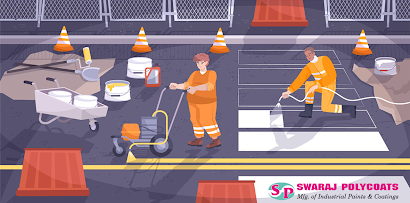
Industrial environments such as factories, warehouses, manufacturing plants, and processing units are filled with heavy machinery, constant movement, and high-risk operations. In such conditions, flooring plays a crucial role in ensuring workplace safety.
One of the most effective flooring solutions for improving safety is epoxy flooring. Known for its durability, seamless finish, and resistance properties, epoxy flooring significantly reduces workplace hazards.
In this blog, we will explore how epoxy flooring enhances industrial safety, reduces risks, and creates a more efficient work environment.
What is Epoxy Flooring?
Epoxy flooring is a protective surface created by applying multiple layers of epoxy resin over concrete floors. It forms a strong, seamless, and non-porous surface that is ideal for industrial use.
Common Safety Challenges in Industrial Flooring
Before understanding the benefits of epoxy flooring, let’s look at common risks in industrial environments:
- Slippery floors due to oil, water, or chemicals
- Cracks and uneven surfaces
- Dust accumulation
- Poor visibility of pathways
- Chemical spills and damage
These hazards can lead to accidents, injuries, and productivity loss.
1. Anti-Slip Surface Reduces Accidents
One of the biggest advantages of epoxy flooring is its anti-slip properties.
✔ How it helps:
- Provides better grip for workers
- Reduces chances of slips and falls
- Ideal for wet or oily environments
Anti-slip additives can be included during installation for extra safety.
2. Seamless & Smooth Surface Eliminates Hazards
Traditional flooring like tiles or concrete often has joints and cracks that can cause:
- Trips and falls
- Dust buildup
- Bacterial growth
Epoxy flooring creates a seamless surface, eliminating these risks.
✔ Benefits:
- No joints or gaps
- Easy movement of machinery
- Safer working conditions
3. High Durability Under Heavy Loads
Industrial floors must handle:
- Heavy machinery
- Forklifts
- Continuous foot traffic
Epoxy flooring is highly durable and can withstand heavy loads without cracking.
✔ Safety impact:
- Prevents sudden surface damage
- Reduces risk of accidents
- Ensures long-term reliability
4. Chemical Resistance for Hazardous Environments
Industries often deal with:
- Acids
- Oils
- Chemicals
Epoxy flooring is resistant to chemical spills, preventing surface damage and dangerous reactions.
✔ Safety advantages:
- Protects workers from exposure
- Prevents floor weakening
- Maintains a safe environment
5. Fire Resistance & Heat Protection
Certain types of epoxy coatings offer heat and fire resistance, making them suitable for high-temperature environments.
✔ Benefits:
- Reduces fire hazards
- Improves workplace safety
- Protects infrastructure
6. Improved Visibility with Markings
Epoxy flooring allows for custom safety markings, such as:
- Walkways
- Hazard zones
- Emergency exits
- Loading areas
✔ Why it matters:
- Improves navigation
- Reduces confusion
- Enhances safety compliance
Bright colors and reflective coatings improve visibility even in low-light conditions.
7. Dust-Free & Hygienic Surface
Concrete floors often produce dust, which can:
- Affect air quality
- Cause respiratory issues
- Reduce visibility
Epoxy flooring is dust-proof and easy to clean, creating a healthier workplace.
✔ Safety benefits:
- Better air quality
- Reduced contamination
- Ideal for pharma and food industries
8. Resistance to Temperature Changes
Industrial environments may face extreme temperature variations.
Epoxy flooring can handle:
- Cold storage conditions
- High heat environments
✔ Result:
- No cracks due to expansion/contraction
- Consistent surface quality
- Improved safety
9. Load Bearing & Impact Resistance
Epoxy floors are designed to absorb impacts from:
- Dropped tools
- Moving equipment
- Heavy loads
✔ Safety impact:
- Prevents floor damage
- Reduces accident risks
- Protects machinery
10. Easy Maintenance Reduces Risk
Poorly maintained floors can become dangerous over time.
Epoxy flooring requires:
- Minimal maintenance
- Simple cleaning
- No frequent repairs
✔ Safety advantage:
- Consistent surface condition
- No sudden hazards
- Long-term reliability
Why Professional Installation is Critical for Safety
Even the best epoxy flooring will fail if not installed properly.
Professionals ensure:
- Proper surface preparation
- Correct application
- Anti-slip customization
- Quality materials
Industries That Benefit from Epoxy Safety
- Manufacturing plants
- Warehouses
- Hospitals
- Pharma industries
- Food processing units
- Automotive industries
Epoxy Flooring vs Traditional Flooring (Safety Comparison)
| Feature | Epoxy Flooring | Traditional Flooring |
|---|---|---|
| Slip Resistance | High | Low |
| Durability | High | Medium |
| Maintenance | Low | High |
| Safety | Excellent | Moderate |
| Seamless | Yes | No |
Common Mistakes That Reduce Safety
- Choosing low-quality epoxy
- Skipping anti-slip coating
- Poor installation
- Ignoring maintenance
Business Benefits of Safe Flooring
- ✔ Fewer Accidents: Reduces workplace injuries.
- ✔ Higher Productivity: Workers perform better in safe environments.
- ✔ Lower Costs: Less downtime and maintenance.
- ✔ Better Compliance: Meets industrial safety standards.
Signs Your Floor is Unsafe
- Slippery surface
- Cracks and damage
- Dust buildup
- Fading markings
If you notice these, it’s time to upgrade your flooring.
Final Conclusion
Industrial safety is not just about equipment and protocols—it starts from the ground up. Flooring plays a critical role in preventing accidents, improving efficiency, and ensuring a safe working environment.
Epoxy flooring offers a powerful combination of:
- ✔ Anti-slip properties
- ✔ Durability
- ✔ Chemical resistance
- ✔ Easy maintenance
By investing in professional epoxy flooring solutions, industries can significantly enhance safety, reduce risks, and improve overall productivity.
Frequently Asked Questions (FAQs)
- Is epoxy flooring safe for industrial use? Yes, it provides anti-slip, durable, and chemical-resistant surfaces ideal for industries.
- Can epoxy flooring prevent accidents? It significantly reduces slips, trips, and falls.
- How long does epoxy flooring last? Typically 10–15 years with proper maintenance.
- Is epoxy flooring suitable for wet areas? Yes, especially with anti-slip coatings.